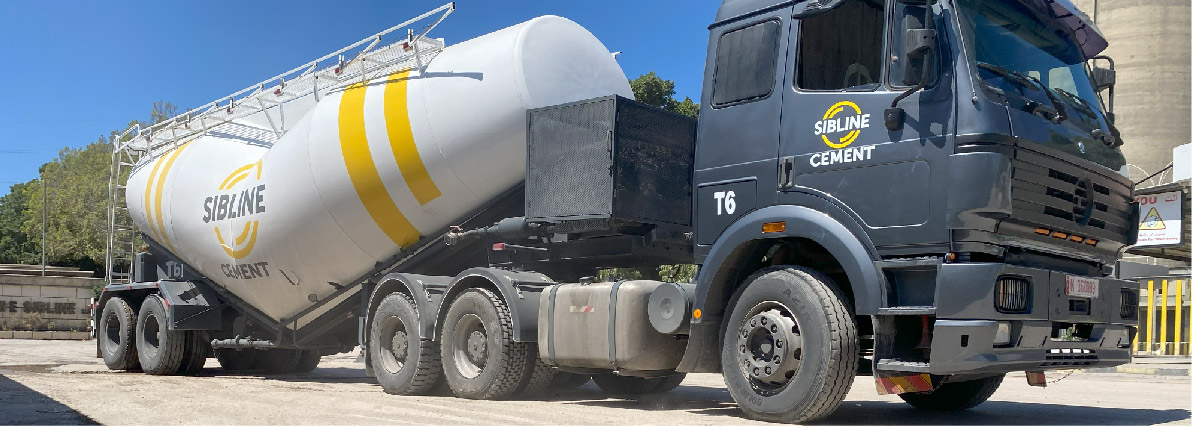
The raw materials consist of a carefully controlled mixture of limestone, marl and clay. Corrective substances such as sand and iron are sometimes added as well.
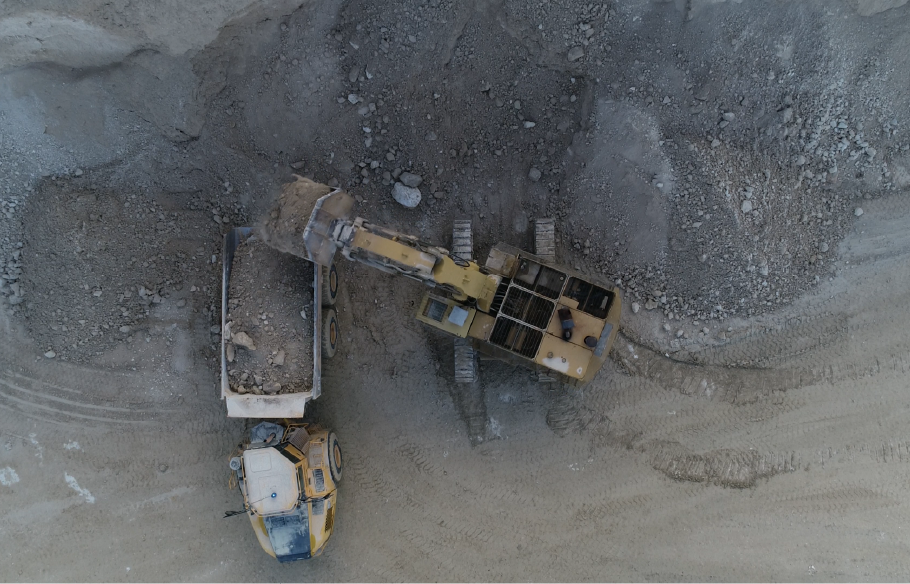
The materials are normally sourced from quarries and open cast mines. The work process is carried out on platforms, storeys, or else along vertical sections working at the entire height of the mineral deposit.
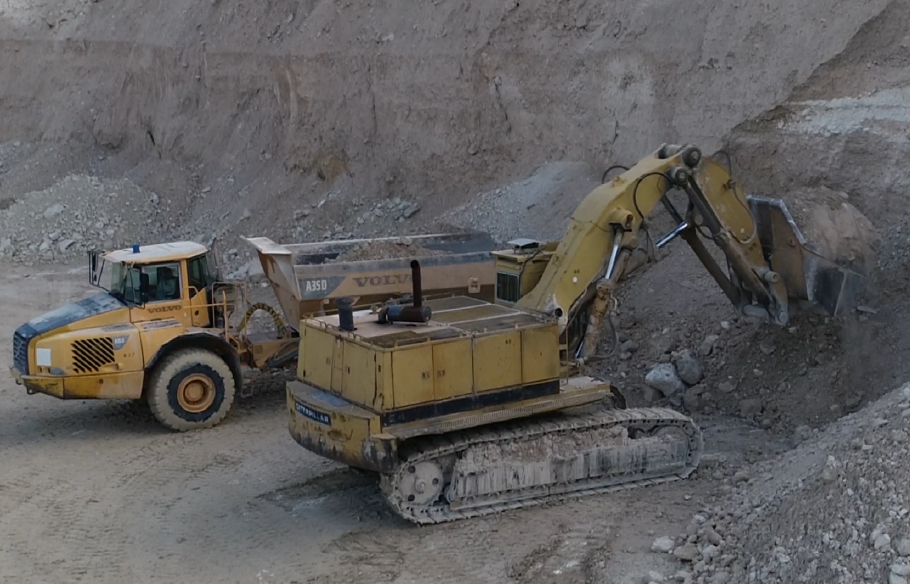
The quarried blocks measure up to one m3 and have to be crushed to the degree of fineness needed for the subsequent steps in the process.
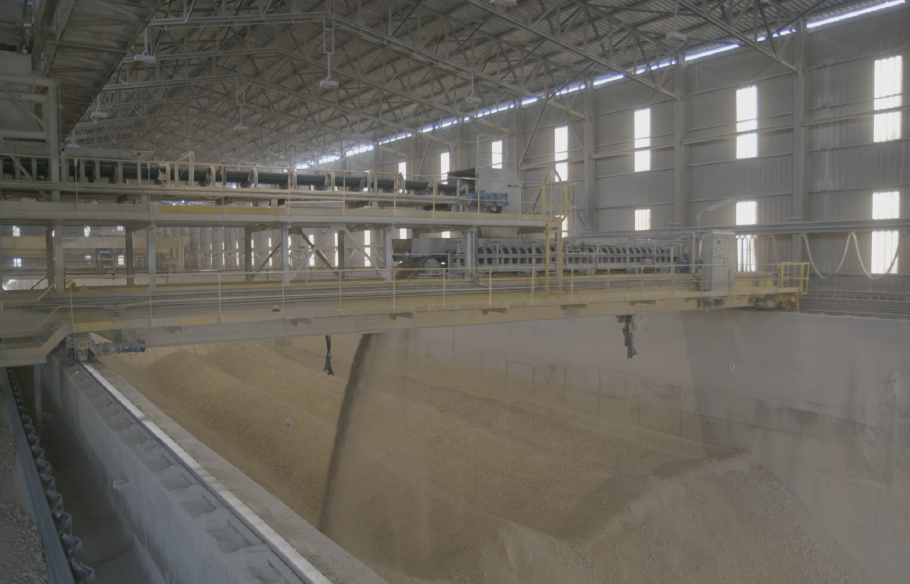
A cement plant needs to be able to store large quantities of raw materials, to avoid production stoppages and to ensure that it operates continuously. The storage stage can also be combined with pre-homogenization.
Through a computer-controlled process, raw materials are precisely selected, measured, and blended to produce the desired clinker quality. They are transported to mills, where they are finely ground into a controlled “raw mix” using tubular grinders or vertical mills. During milling, the materials are dried using heat from kiln exhaust gases, which also helps move the raw mix to the storage silo, ensuring efficiency and economy.
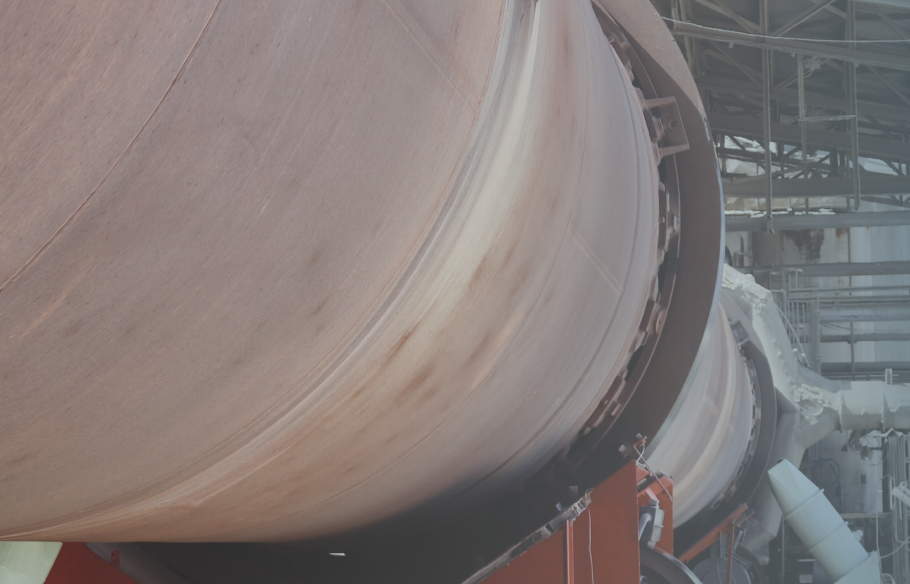
The raw mix is heated in large rotary kilns, whose size and type vary by technology.
These inclined, rotating tubes, lined with heat-resistant materials, reach about 1450ºC for clinkerization using coal, petcoke, oil, gas, or alternative fuels.
Pre-heating occurs as the mix passes against exhaust gases before entering the kiln.
When clinker forms, it is cooled using satellite or grate coolers with air blown against the flow.
Cooling improves clinker quality, enables handling, and recovers heat for fuel combustion.
Finally, clinker at around 200ºC is transported to silos for storage.
Cement is then finally produced by finely milling the clinker, which is the main component, as well as gypsum and other additives (fly ash, slag, pzolane, lime filler, etc.).
The milling process may involve the use of vertical mills or else, more often, tubular mills with one, two or three chambers, operating in an open or closed circuit. When the circuit is closed, separators are used to reject the coarser grains, which return to the milling circuit. More recently, in order to save energy, roller press systems are used as pre grinders in some plants.
The materials are added in precise defined proportions, by keeping with the quality plan and relevant standards and specifications. The cement produced is usually transported by pneumatic or mechanical means and then stored in silos..
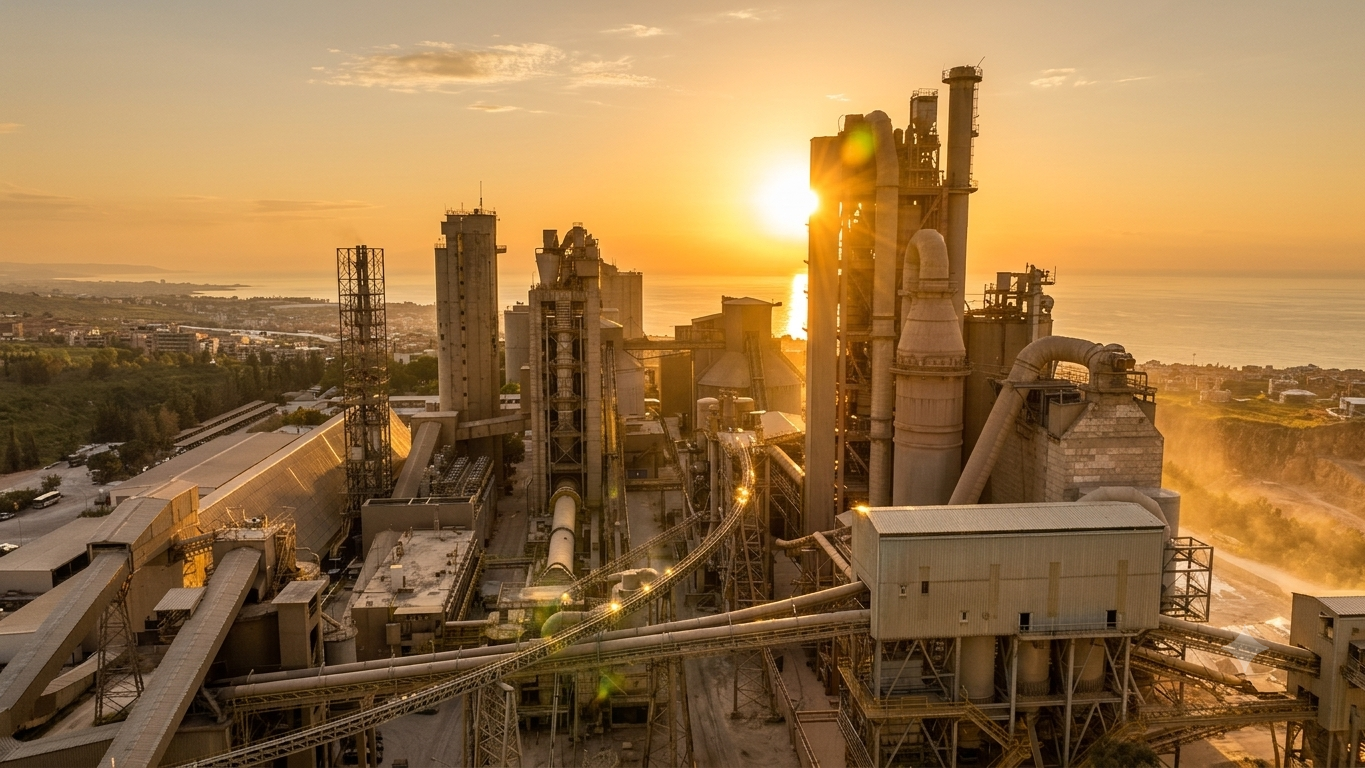
A bagging machine packages the produced cement. Bags are then piled on pallets or else assembled in large plastified bundles. The cement which is dispatched in bulk, is transferred directly from the storage silos into the cement trucks or rail tankers.
The choice of packaging and means of distribution (road, rail or sea) is a critical decision in the competitive environment in which cement companies operate.