
Improving energy efficiency is a key pillar of Sibline's sustainability strategy. We continuously optimize our processes and invest in innovative technologies to reduce energy consumption, improve operational performance, and lower CO₂ emissions.
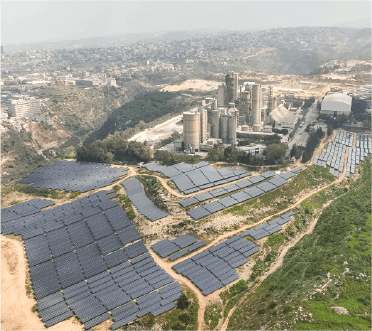
Sibline has implemented a 10 MW solar power plant as part of its energy optimization and decarbonization strategy. This installation enables the generation of renewable electricity on-site, which is efficiently integrated into plant operations.
By increasing the share of solar energy in the overall electricity, Sibline reduces its reliance on the national grid (EDL). This directly decreases indirect CO₂ emissions associated with purchased electricity, contributing to a lower overall carbon footprint while supporting more sustainable and cost-efficient operations.
Sibline has commissioned a 10 MW solar power plant to generate renewable electricity on-site. By increasing the use of clean energy and reducing reliance on the national grid, the project lowers indirect CO₂ emissions while supporting more sustainable and cost-efficient operations.
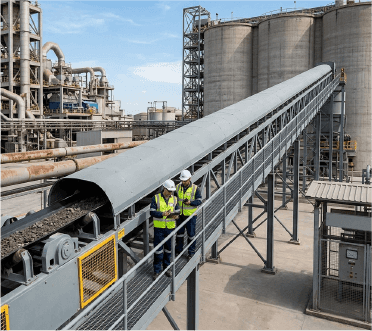
The replacement of high-energy conveying systems with mechanical transport has reduced electricity consumption, improved material handling, and enhanced the reliability and efficiency of plant operations.

Sibline utilizes advanced optimization systems to improve the efficiency of both cement milling and kiln operations. The CMO (Cement Mill Optimization) system enhances grinding performance and reduces energy consumption, while the KPO (Kiln Process Optimization) system optimizes combustion, improves thermal efficiency, and lowers fuel consumption. Together, these technologies contribute to more stable operations, higher efficiency, and reduced CO₂ emissions.